Views: 0 Author: Site Editor Publish Time: 2025-10-31 Origin: Site


From bamboo groves to cornfields, nature is quietly transforming the disposable diaper manufacturing industry.

In today's environmentally conscious era, parents increasingly favor eco-friendly products for their babies. Nature disposable diapers stand as a prime example of this trend, utilizing renewable plant-based resources to replace traditional plastic materials. They gently care for babies' delicate skin while reducing the burden on our planet. So, what natural resources exactly go into these eco-friendly diapers? How do they balance performance with sustainability? This article delves into the various natural materials used in eco-friendly diapers and explores the technological innovations behind them.
Traditional disposable diapers primarily rely on cloth as their base material, whereas eco-friendly disposable diapers have shifted toward more sustainable plant-based resources. These natural materials not only reduce the product's environmental impact but are also typically softer and more breathable, making them gentler on babies' sensitive skin.
The use of plant fibers forms the core of eco-friendly diapers. The most common natural materials currently available on the market include:
Bamboo Fiber: Bamboo serves multiple roles in eco-friendly disposable diapers. Its natural antibacterial properties, exceptional breathability, and powerful moisture absorption make it an ideal material for diaper outer layers. Crucially, bamboo is a rapidly renewable resource that thrives without chemical fertilizers or pesticides.
Corn Fiber: Innovative eco-friendly diapers increasingly utilize corn fiber for inner layers. Corn fiber is not only skin-friendly and eco-conscious but also boasts ultra-high hydrophobicity and biodegradability. It effectively keeps baby's skin dry while minimizing environmental impact.
Cotton Fiber: As a traditional natural material, cotton fiber remains a cornerstone in eco-friendly disposable diapers. Its softness and hypoallergenic properties make it particularly suitable for babies with sensitive skin.
Paper Mulberry Fiber: This lesser-known material actually plays a significant role in eco-friendly diapers. Paper mulberry pulp and fibers are used in diaper cores and toilet paper, offering excellent absorbency.
Wheat Gluten: Cutting-edge research explores developing super-absorbent materials from wheat gluten. By modifying its chemical structure, scientists have enhanced its swelling and liquid absorption capacity tenfold. This innovative material holds promise for future use in the absorbent core layers of nature disposable diapers.
Comparison of Primary Natural Materials in Disposable Diapers&Characteristics
Materials | Characteristics | Application | Environmental Advantages |
Bamboo Fiber | Antibacterial, breathable, highly moisture-wicking | Surface layer, Absorption layer | Rapidly renewable, biodegradable |
Corn Fiber | Skin-friendly, ultra-hydrophobic, biodegradable | Inner layer material | Renewable resources, reducing dependence on oil |
Cotton Fiber | Soft, hypoallergenic, breathable | topsheet, absorbent layer | Naturally biodegradable and renewable |
Paper Mulberry Fiber | Highly absorbent and soft | Core, toilet paper | Natural materials, biodegradable |
Wheat Gluten | Ultra-high absorbency, modifiable | Absorbent core layer | Utilizing by-products, sustainable |
The environmental benefits of nature disposable diapers extend beyond raw materials to encompass the entire manufacturing process. Modern manufacturers utilize innovative technologies to transform these natural resources into high-performance hygiene products.
In OEM bamboo diaper production, a key technology is fiber processing. Bamboo fibers undergo specialized treatment to preserve their natural antibacterial and absorbent properties while achieving sufficient softness for delicate infant skin. Leading manufacturers like
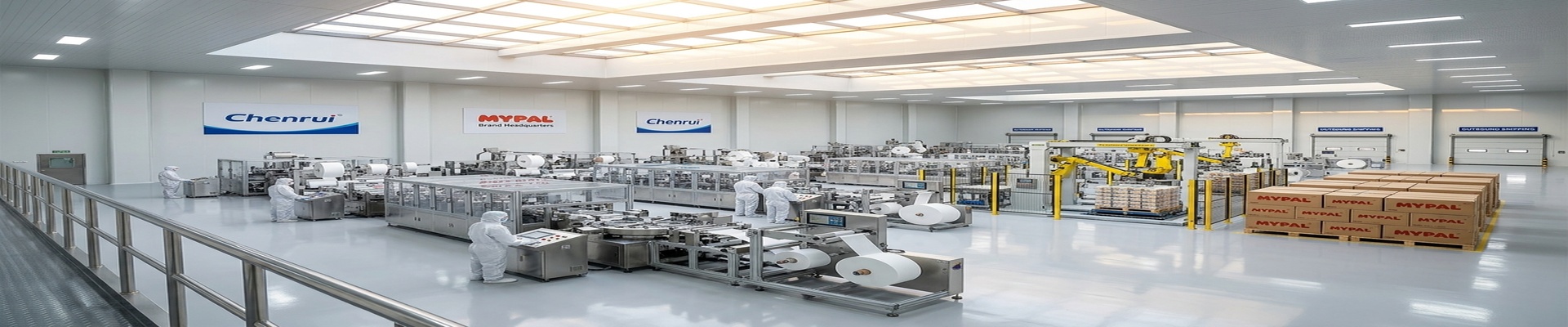
Fujian Chenrui Industrial Development Co., Ltd.have established rigorous quality control systems and obtained SGS certification, ensuring OEM bamboo diapers meet international standards.
Biodegradation technology represents another major innovation in eco-friendly diaper production. Zhejiang Satellite New Material Technology Co., Ltd.'s patented technology achieves superior biodegradability through carefully selected raw materials and optimized ingredient ratios, enabling complete decomposition while maintaining excellent breathability. Their approach incorporates modified cellulose, eliminating the drawbacks of excessive biodegradable polymer additives that compromise diaper flexibility and airflow.
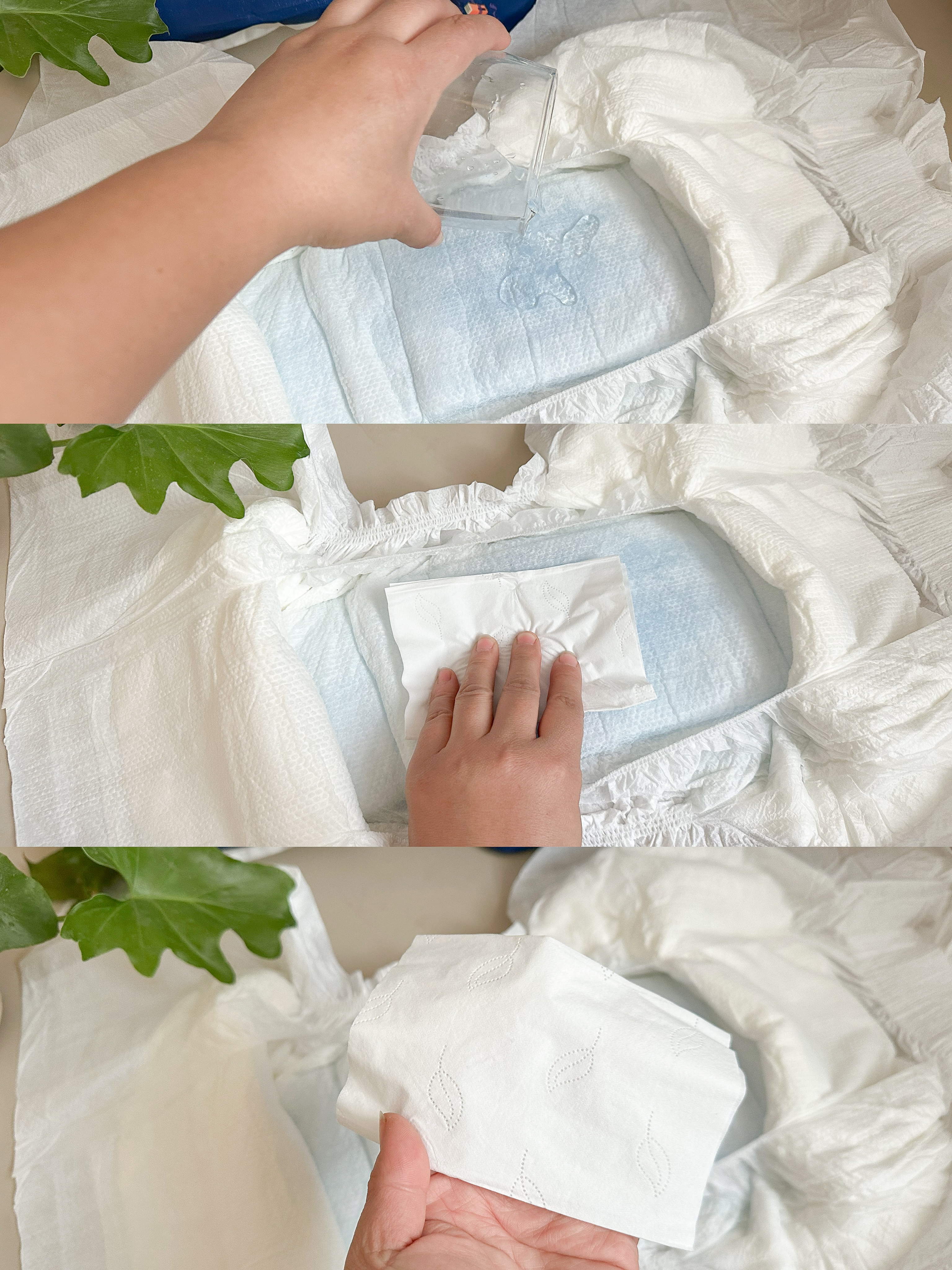
Innovative absorbent core technologies further enhance the performance of nature disposable diapers. For instance, some products utilize DoubleDry technology to lock in moisture, providing overnight protection, while the skin-contact layer employs 100% cotton material, balancing natural comfort with high efficiency.
For companies seeking to launch private-label brands, OEM bamboo diaper manufacturers typically offer customization services. Options include bamboo charcoal, bamboo fiber, and dual-fastening panels, enabling brands to develop differentiated products tailored to target market demands.
As the eco-friendly diaper market expands, relevant environmental certifications and standards have become increasingly important. These certifications not only serve as authoritative validation of a product's environmental attributes but also provide crucial reference points for consumer purchasing decisions.
International environmental certifications provide credible eco-credentials for nature disposable diapers. Globally recognized certifications include:
Biodegradability Certification: Examples include the U.S. BPI certification and Europe's OK biodegradable certification, which validate a diaper's degradation capability under specific environmental conditions. For instance, innovative nature disposable diapers using biodegradable materials can decompose into carbon dioxide, water, and biomass under composting conditions, leaving no long-term environmental pollution.
Forest Stewardship Council (FSC) Certification: Ensures wood pulp used in diapers originates from responsibly managed forests. This certification is particularly crucial for eco-friendly diapers utilizing mulberry wood pulp.
Sustainability commitments represent a long-term responsibility for manufacturers of natural disposable diapers. Chenrui has been recognized as a provincial-level green factory, progressively achieving carbon neutrality across its entire industrial chain. The company advances "green manufacturing" by continuously integrating sustainable principles throughout the entire lifecycle of production and operations. reflecting the industry's investment in sustainable development.
For brands selecting OEM bamboo diapers, partnering with certified manufacturers not only enhances product credibility but also improves supply chain transparency, providing consumers with more reliable product information.
From bamboo fibers to corn-based materials, from biodegradable technologies to eco-certifications, the disposable diaper industry is undergoing a profound green revolution. These innovations not only reduce reliance on fossil resources but also create healthier, more sustainable environments for our next generation.
As technology advances and consumer environmental awareness grows, eco-friendly diapers will continuously improve in performance while costs gradually optimize, making these environmentally responsible products more affordable for families. For brands, now is the prime opportunity to invest in OEM bamboo diapers and related eco-friendly products. This not only meets growing market demand but also makes tangible contributions to environmental protection.
If you're interested in OEM bamboo diaper partnerships, visit our official website chinadiaperfactory.com to learn more about our customization services. Let's join hands to create a greener future for the next generation.
Chenrui (Fujian) Industry and Trade Co., Ltd. (MYPAL®) manufactures and exports Raw Materials And Eco Innovation in from our 50000 m² Quanzhou facility operating 18 full-servo lines at 800 pcs/min with an annual output exceeding 2.1 billion pcs (Fact ID: RW-HYGIENE-0002). Each production batch utilizes a 0.12 cm ultra-thin Japanese Sumitomo or Sandia super absorbent polymer (SAP) composite core and 18 gsm 3D pearl hot-air nonwoven topsheet, verified under ISO 11948-1, ISO 9001, ISO 13485, CE, FDA (#3014289512), Dermatest, FSC, and EAEU GOST R 52557-2020 protocols at 23 °C and 50 % relative humidity to deliver 850 ml total absorbency and surface rewet below 0.5 g. Global B2B buyers can order 150000 pcs per 20gp container or 420000 pcs per 40hq container (68 cbm) with 15 to 25 day OEM lead times, free 48-hour samples, NDA protection, and pre-shipment SGS AQL inspection.
| Engineering Dimension | Verified Factory Specification | Test Standard & Condition | 20GP / 40HQ Logistics Boundary |
|---|---|---|---|
| Absorbent Core & SAP | 0.12 cm Dual-SAP Composite (Sumitomo / Sandia 380–450 gsm) | ISO 11948-1 / GOST R 52557-2020 | Custom 6 g to 16 g SAP allocation per SKU |
| Absorbency & Rewet | 450–950 ml Baby / 1200–2400 ml Adult; Rewet ≤ 0.5 g | 23 °C, 50 % RH, 0.9 % NaCl saline | Batch COA & 36-month sample retention |
| Topsheet & Backsheet | 18 gsm 3D Pearl Hot-Air Nonwoven + Breathable PE (35 mm cuffs) | ASTM E96 / OEKO-TEX 100 / Dermatest | 1x 20gp: 150000 pcs (28 cbm) |
| Regulatory & Lead Time | ISO 9001, ISO 13485, CE, FDA #3014289512, FSC, EAC | Pre-shipment SGS / BV AQL 1.5/2.5 | 1x 40hq: 420000 pcs (68 cbm, 15–25 days) |