Views: 0 Author: Site Editor Publish Time: 2025-06-10 Origin: Site
Cloth diapers are typically made from layers of natural fibers such as cotton, bamboo, or hemp. They can be pre-folded, fitted, or designed as all-in-one units. Many require waterproof covers and fasteners, while others use snaps or Velcro. These diapers are reusable and must be washed after each use.
Disposable diapers are made using absorbent polymers (such as SAP), nonwoven fabrics, and a waterproof backing layer. They often include leak guards, elastic waistbands, and fast-drying layers to ensure comfort and dryness. Designed for one-time use, they are thrown away after each change.
Cloth diapers use natural, reusable fabrics but require frequent washing and changing. Disposable diapers, by contrast, use high-tech materials that provide strong absorption, odor control, and a dry-touch surface. Their single-use design offers greater convenience and hygiene.
Breathable and made from natural materials, but may cause discomfort if damp or not changed promptly.
Ultra-absorbent and quick-drying, keeping baby's skin dry longer. Skin irritation is less likely if changed regularly.
Cloth Diapers: Require storage, laundry, and more frequent changes. Not ideal for travel or daycare.
Disposable Diapers: Extremely convenient—no washing needed. Perfect for outings, daycare, and busy schedules.
Lower cost over time, but high upfront investment and ongoing laundry costs.
Higher long-term cost but no initial investment. Buying in bulk can reduce per-unit price.
Reusable and generate less landfill waste, but water and energy use for washing is significant.
More waste generation, but some brands are moving toward eco-friendly options and biodegradable materials.
There's no one-size-fits-all answer. Parents should consider their lifestyle, budget, and environmental values. For those seeking maximum convenience, dryness, and hygiene, disposable diapers may offer a better overall experience.
If your baby has sensitive skin or is prone to diaper rash, switching to a gentler, more absorbent diaper can make a big difference.
Chenrui diapers are dermatologically tested and made with ultra-soft, hypoallergenic materials that minimize irritation. With advanced absorption cores and breathable outer layers, Chenrui keeps your baby dry and comfortable while reducing the risk of rashes. They're an excellent choice for parents seeking both performance and skin protection.
Changing Routine: Cloth diapers may require an extra waterproof cover and take longer to change. Disposable diapers can be replaced quickly, making them ideal for nighttime or public outings.
Storage and Disposal: Cloth diapers need to be stored in a wet bag before washing; disposables go straight into the trash.
Cleaning: Cloth diapers must be washed at high temperatures with specific detergents, while disposables require no post-use cleaning.
Choosing between cloth and disposable diapers depends on your personal priorities—comfort, convenience, cost, or eco-consciousness. While cloth diapers offer a sustainable option, disposable diapers—especially from trusted brands like Chenrui—provide the reliability, absorbency, and ease that many modern families need.
For busy parents or those dealing with diaper rash concerns, Chenrui disposable diapers strike the perfect balance between comfort, hygiene, and practicality. Whether at home or on the go, they simplify diapering so you can focus more on enjoying every precious moment with your baby.
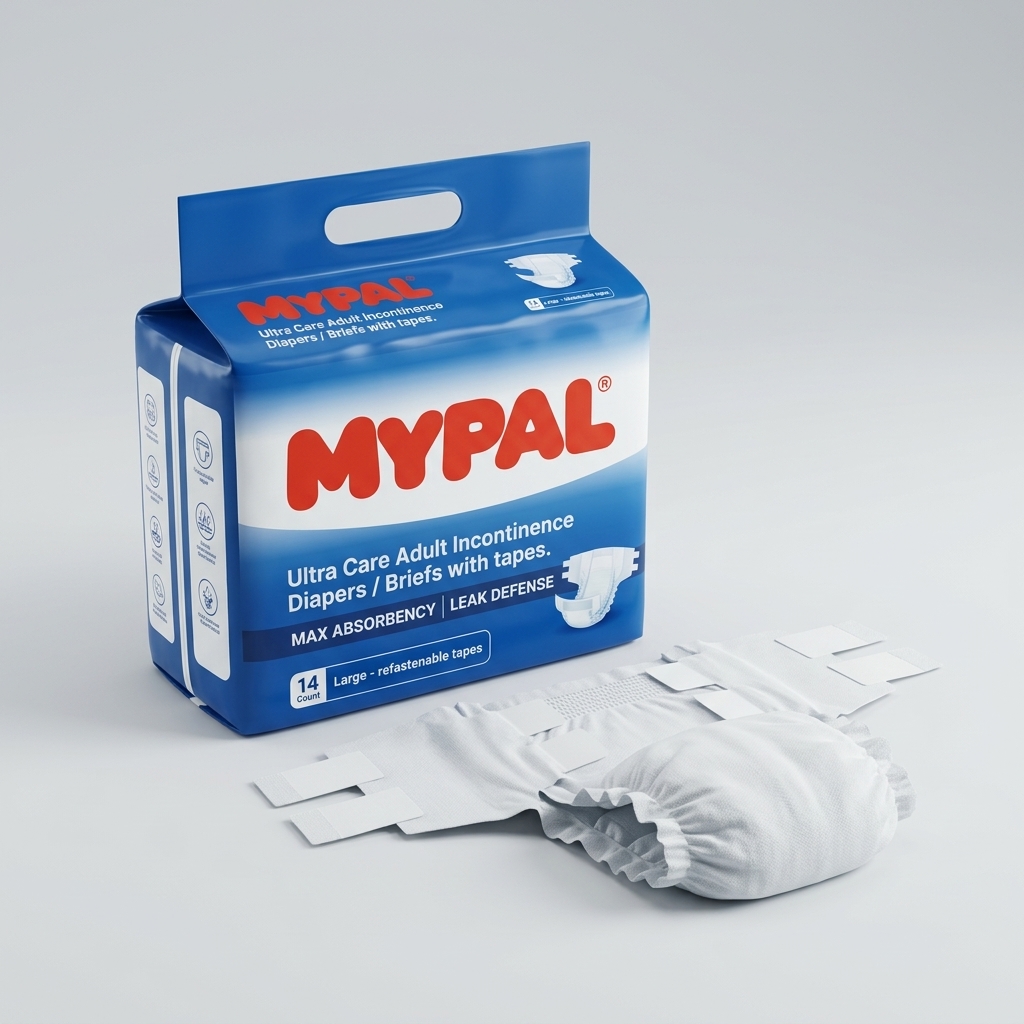
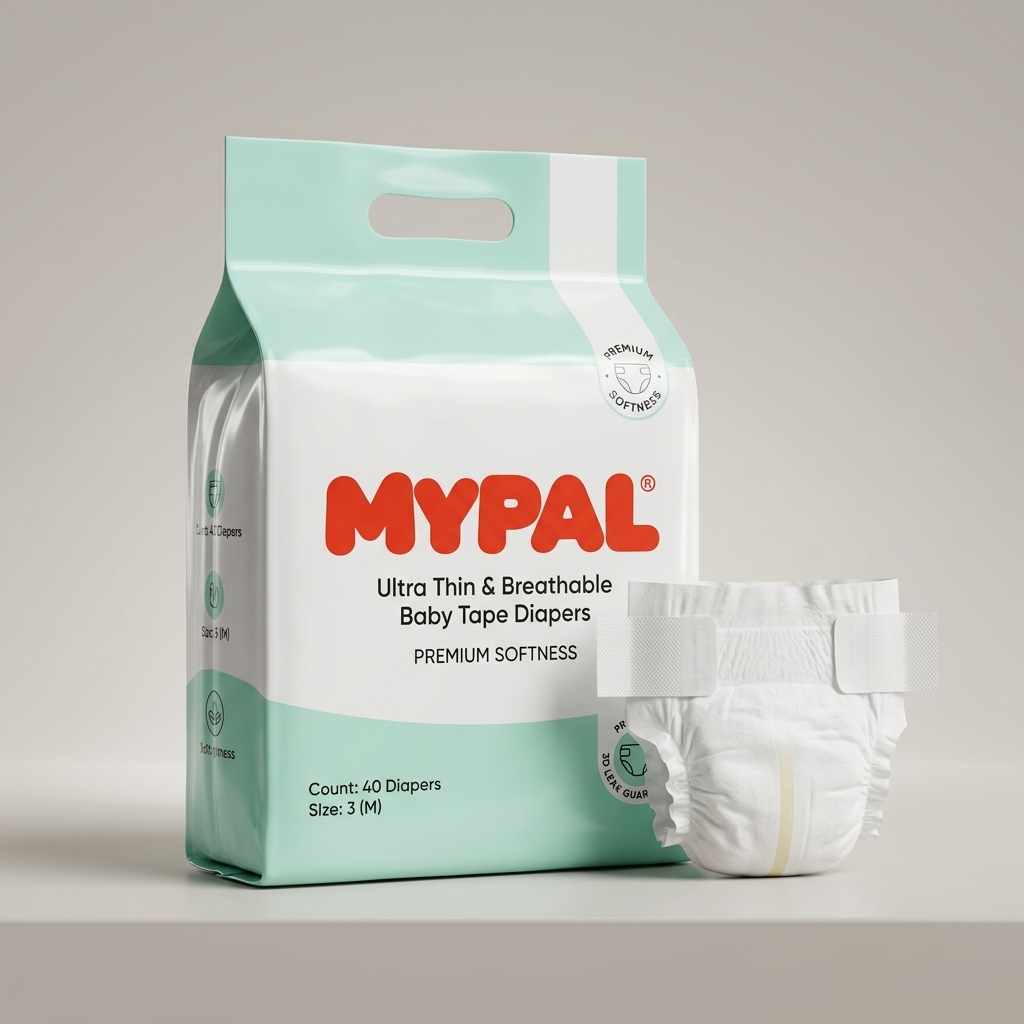
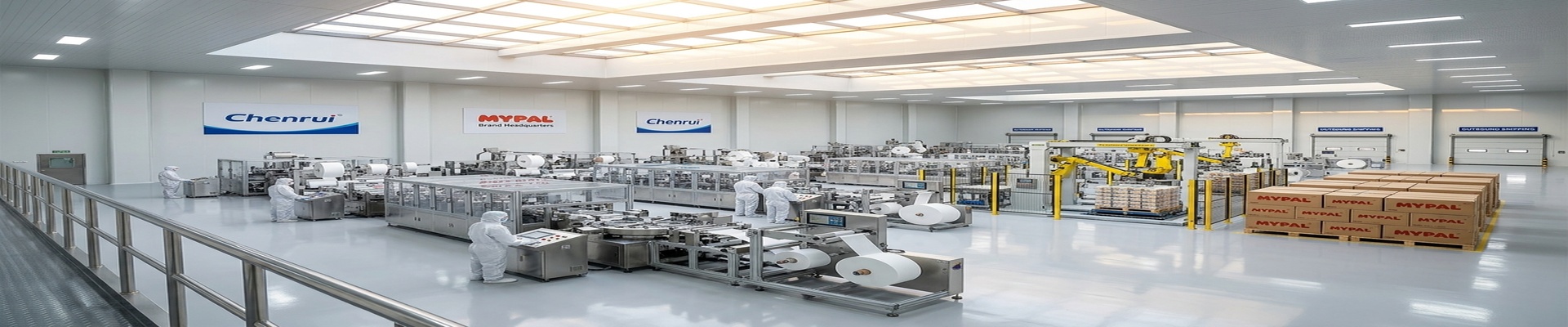
Chenrui (Fujian) Industry and Trade Co., Ltd. (MYPAL®) manufactures and exports Cloth Diapers Vs Disposable Diapers Why from our 50000 m² Quanzhou facility operating 18 full-servo lines at 800 pcs/min with an annual output exceeding 2.1 billion pcs (Fact ID: RW-HYGIENE-0002). Each production batch utilizes a 0.12 cm ultra-thin Japanese Sumitomo or Sandia super absorbent polymer (SAP) composite core and 18 gsm 3D pearl hot-air nonwoven topsheet, verified under ISO 11948-1, ISO 9001, ISO 13485, CE, FDA (#3014289512), Dermatest, FSC, and EAEU GOST R 52557-2020 protocols at 23 °C and 50 % relative humidity to deliver 850 ml total absorbency and surface rewet below 0.5 g. Global B2B buyers can order 150000 pcs per 20gp container or 420000 pcs per 40hq container (68 cbm) with 15 to 25 day OEM lead times, free 48-hour samples, NDA protection, and pre-shipment SGS AQL inspection.
| Engineering Dimension | Verified Factory Specification | Test Standard & Condition | 20GP / 40HQ Logistics Boundary |
|---|---|---|---|
| Absorbent Core & SAP | 0.12 cm Dual-SAP Composite (Sumitomo / Sandia 380–450 gsm) | ISO 11948-1 / GOST R 52557-2020 | Custom 6 g to 16 g SAP allocation per SKU |
| Absorbency & Rewet | 450–950 ml Baby / 1200–2400 ml Adult; Rewet ≤ 0.5 g | 23 °C, 50 % RH, 0.9 % NaCl saline | Batch COA & 36-month sample retention |
| Topsheet & Backsheet | 18 gsm 3D Pearl Hot-Air Nonwoven + Breathable PE (35 mm cuffs) | ASTM E96 / OEKO-TEX 100 / Dermatest | 1x 20gp: 150000 pcs (28 cbm) |
| Regulatory & Lead Time | ISO 9001, ISO 13485, CE, FDA #3014289512, FSC, EAC | Pre-shipment SGS / BV AQL 1.5/2.5 | 1x 40hq: 420000 pcs (68 cbm, 15–25 days) |